
When your water heater stops delivering steady hot water, it’s often the first sign that something isn’t working as it should. You might notice your shower suddenly turning cold or the temperature fluctuating without warning, making daily routines frustrating and unpredictable. This issue can stem from sediment buildup inside the tank, a failing heating element, or problems with the thermostat. Over time, minerals from your water supply settle at the bottom of the tank, creating a barrier between the heating element and the water itself. This reduces efficiency and makes it harder for your system to maintain consistent temperatures. Ignoring these changes can lead to further strain on your water heater, increasing the likelihood of a complete breakdown. Addressing temperature inconsistencies early helps you maintain comfort while preventing more serious damage to your unit.
Unusual Noises Coming From the Tank
If your water heater starts making popping, rumbling, or banging sounds, it’s not something you should dismiss as normal wear. These noises are often caused by hardened sediment buildup at the bottom of the tank. As water gets trapped beneath the sediment layer and heats up, it creates pressure that results in those unsettling sounds. This not only affects performance but also puts extra stress on the tank’s interior. Over time, this pressure can weaken the tank and lead to cracks or leaks. What might seem like a minor annoyance can quickly develop into a costly issue if left unaddressed. Taking action when you first hear unusual noises can extend the lifespan of your water heater and help you avoid unexpected repairs or replacements.
Discolored or Rusty Water
When you turn on the hot water and notice a brownish or rusty tint, it’s a clear indication that something is wrong inside your water heater. This discoloration often points to corrosion within the tank or the anode rod, which is designed to prevent rust from forming. Once corrosion begins, it can spread and compromise the structural integrity of your water heater. Rusty water doesn’t just look unappealing—it can also affect the quality of your water for bathing, cleaning, and other household uses. Ignoring this sign increases the risk of leaks or even tank failure over time. Identifying and addressing the source of the problem early helps protect your home and ensures your water remains clean and safe for everyday use.
Leaks and Moisture Around the Unit
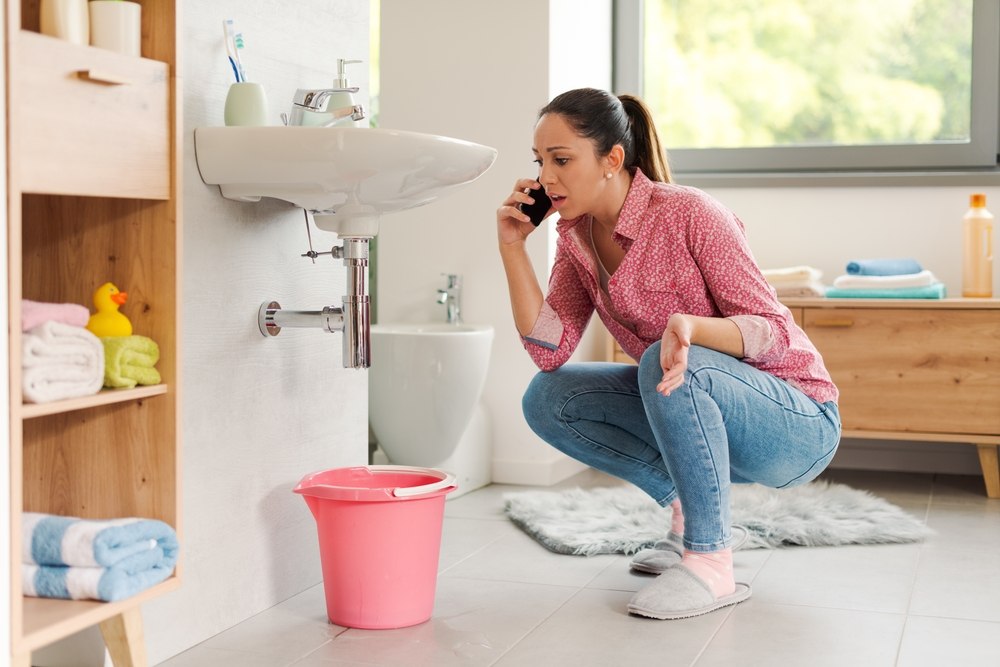
Any sign of water pooling around your water heater should be taken seriously. Even a small leak can indicate a larger issue developing inside the tank or along its connections. Leaks can result from loose fittings, a failing pressure relief valve, or cracks in the tank itself. As water escapes, it can damage surrounding areas, including floors, walls, and nearby belongings. Moisture buildup can also create conditions for mold growth, adding another layer of concern for your home. What starts as a minor drip can quickly escalate into significant water damage if not addressed promptly. Keeping an eye on your water heater and responding quickly to any signs of leakage helps you avoid costly repairs and protects your living space from unnecessary damage.
Keep Your System Running Smoothly with Speedi Rooter
Paying attention to early warning signs such as inconsistent temperatures, unusual noises, discolored water, and leaks gives you the opportunity to address water heater problems before they escalate. Regular maintenance and timely repairs can extend the life of your unit and help you avoid unexpected disruptions to your daily routine. When you notice something off, it’s always better to address it sooner rather than later. With the right experience and equipment, Speedi Rooter can diagnose and resolve water heater issues efficiently, helping you restore comfort and reliability in your home. If your water heater shows any of these signs, don’t wait for the problem to worsen—contact Speedi Rooter at 619-320-1428 to get your system back on track.